

Truck body damage does not always look serious at first. A small dent or scratch can hide bent mounts or poor alignment. Common truck body damage repairs may involve more than surface work. Commercial truck body damage can also lead to rust or other issues when left alone. A truck body damage assessment helps find these concerns early.
A proper check can show if the issue is cosmetic or more serious. Heavy-duty truck body repair may involve panel doors, bumpers, or cab parts. Some damage can also affect how the truck works. Knowing the damage type helps owners choose the right repair before a small issue grows.
How to Tell What Kind of Truck Damage You Have

Start by checking where the damage is and how it happened. Look for dents, cracks, scratches, rust, and bent panels. Check if doors still open and close with ease. Truck body panel damage may stay in one area or spread around an impact point. The shape of the damage can also show the force behind it.
You should also look for signs that affect truck use. Uneven panel gaps may point to a shift after an impact. Loose bumpers can show damage behind the outer cover. Truck body repair may need more work when mounts or supports are bent. A professional check can separate surface damage from deeper concerns.
You should also look for signs that affect truck use. Uneven panel gaps may point to a shift after an impact. Loose bumpers can show damage behind the outer cover. Truck exterior damage repair may need more work when mounts or supports are bent. A professional check can separate surface damage from deeper concerns.
Why the First Inspection Matters More Than the Visible Damage
A quick look can miss problems behind a damaged panel. Technicians inspect the area around the impact and check nearby parts. They may look at mount supports, fasteners, and panel gaps. Truck damage assessment helps show how far the damage reaches. This can prevent the wrong repair choice.
The first inspection also helps guide the repair plan. A shop may suggest dent repair when the panel can be saved. It may suggest replacement when the metal is badly damaged. Commercial vehicle collision damage can also involve parts that are not easy to see. This is why a full check should come first.
The first inspection also helps guide the repair plan. A shop may suggest dent repair when the panel can be saved. It may suggest replacement when the metal is badly damaged. Commercial vehicle collision damage can also involve parts that are not easy to see. This is why a full check should come first.
Looking Beyond the Damaged Exterior Surface
Technicians do more than look at the outer panel. They check nearby parts for bends, cracks, and loose mounts. A deep dent may have pushed parts behind the panel. Hidden damage can also affect how other parts fit. A careful inspection helps find these issues before repair work starts.
Checking Alignment Around Doors and Panels
Door gaps can tell a useful story after an impact. A door that sticks may show that the body has shifted. Uneven gaps can also point to bent hinges or mounts. Truck cab damage may affect nearby doors and panels. Proper alignment helps doors close and latch as they should.
Finding Damage Behind Bumpers and Fenders
Bumpers and fenders can hide damage after a strong impact. The outer part may look damaged while the mounts also have issues. Technicians may remove these parts to inspect what sits behind them. This can reveal bent supports or broken fasteners. Such checks matter after commercial vehicle collision damage.
Deciding Whether the Damage Is Cosmetic or Structural
Cosmetic damage mainly affects how the truck looks. Structural damage can affect strength, alignment, or safe operation. A dented panel does not always mean frame damage exists. Yet severe impacts need a closer check. Truck structural damage should always be assessed by a trained professional before repairs are chosen.
Which Truck Body Problems Show Up Most Often
Trucks face many body risks during daily work. Common problems include dents, scratches, rust, bent panels, and collision damage. Truck dent repair is often used for smaller impacts. Damaged truck body panels may need reshaping or replacement when the metal has changed shape. Doors, bumpers, fenders, and cab panels can all need work.
Loading docks, tight yards, and road incidents can also cause body damage. Repeated contact can create small dents that grow over time. Rust may also begin where paint has been broken. Common truck body damage repairs depend on the location and level of damage. A proper check helps set the right repair path.
How Dents and Panel Damage Are Usually Handled
Not every damaged panel needs to be replaced. Technicians first check the depth and shape of the damage. They also look at the metal and paint around the area. Truck dent repair may work well when the panel remains sound. More severe damage may call for truck panel replacement.
The repair method also depends on where the damage sits. Some panels are easier to reshape than others. Sharp folds can stretch the metal and change its shape. In other cases, a small section can be repaired. Damaged truck body panels need a careful review before the final choice.
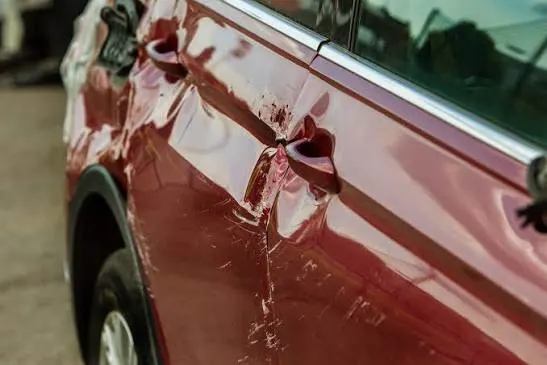
The repair method also depends on where the damage sits. Some panels are easier to reshape than others. Sharp folds can stretch the metal and change its shape. In other cases, a small section can be repaired. Damaged truck body panels need a careful review before the final choice.
When a Minor Dent Can Be Reshaped
A shallow dent may not need a new panel. If the metal is still in good shape, it may be reshaped. The repair team checks the area for cracks and paint damage first. The goal is to restore the panel without causing more harm. This can keep the original panel in use.
When Creased Metal Changes the Repair Approach
A sharp crease can stretch or fold the metal. This makes a simple dent repair less useful. Deep folds may also affect nearby panel areas. The technician may need more repair work to restore the shape. Severe deformation can also make panel replacement a better choice.
When Damaged Panels Need Section Repair Work
Some panels can be fixed only around the damaged area. This may work when most of the panel remains strong. The damaged section can be repaired and shaped to match the rest. This avoids replacing a full panel when it is not needed. The final choice depends on damage size and location.
When a New Panel Becomes the Better Option
A new panel may make more sense after severe damage. Large folds, cracks, or major deformation can make repair harder. A damaged mounting area can also affect the panel fit. Truck panel replacement may provide a better result in such cases. The new panel must still match the truck correctly.
What Collision Damage Can Affect Beyond the Truck Exterior
A collision can affect more than the panel that took the hit. Doors, fenders, bumpers, and cab areas may shift after an impact. Mounting points can also bend or break. Truck collision repair should therefore start with a full damage check. This helps identify problems that are not easy to see.
Collision force can also travel into nearby parts. A bumper impact may affect its supports and nearby body sections. Cab damage can change door gaps or panel fit. Commercial vehicle collision damage may also involve lights, mirrors, or access points. A full inspection helps prevent missed repairs.
Collision force can also travel into nearby parts. A bumper impact may affect its supports and nearby body sections. Cab damage can change door gaps or panel fit. Commercial vehicle collision damage may also involve lights, mirrors, or access points. A full inspection helps prevent missed repairs.
When a Truck Body Problem Points to Structural Damage
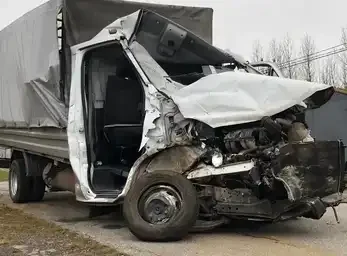
Structural concerns need more care than normal body damage. Signs can include major panel shifts, uneven gaps, and unusual cab movement. A strong collision can also affect frame parts or mounting points. Truck frame damage cannot be judged by appearance alone. Special checks may be needed to confirm the condition.
Truck structural damage can affect how body parts sit and work. It may also change the way doors close or panels line up. Heavy-duty truck body repair should account for these concerns. A repair provider should check the structure before fixing major exterior damage. This helps avoid covering a deeper problem.
What Makes Doors, Bumpers, and Fenders Different Repairs
Different body parts have different jobs. Their repair needs can also vary based on how they are mounted and used.
| Damaged Area | Main Concern | Typical Repair Consideration |
| Truck doors | Alignment and operation | Repair adjustment or replacement |
| Bumpers | Impact and mounting damage | Repair or component replacement |
| Fenders | Deformation and clearance | Reshaping or replacement |
| Cab panels | Impact and structural alignment | Professional damage assessment |
Truck door damage can affect closing, locking, and sealing. A door may need adjustment when the panel is still sound. A damaged hinge or mount may need replacement. Truck bumper damage can also involve hidden supports. Fender damage needs attention when the panel gets close to wheels or other parts.
Truck fender repair may involve reshaping a bent section. Severe damage can call for a new part instead. Cab panels need more care after strong impacts. Their position can affect doors, windows, and other body parts. This is why the repair method should match the damage and its location.
How Rust Turns Exterior Damage Into a Bigger Problem
Scratches and chips can expose bare metal to moisture. This creates a path for rust to start. Truck exterior damage repair can help stop this process early. Small rust spots may grow when they are left alone. Damage around panel edges can also spread beneath the paint.
Truck body restoration often includes surface repair and new protective finishes. Rust should be removed before new paint is applied. If corrosion has spread deep into the metal, the repair may be larger. Truck body panel damage should therefore be checked soon after the paint breaks.
When Truck Damage Starts Affecting Daily Operation
Body damage becomes more serious when it affects normal truck use. Watch for these signs during daily checks:
- Doors do not close or latch: Poor fit can point to shifted panels or hinges.
- Mirrors are damaged: Poor visibility can create a serious driving concern.
- Bumpers are loose: A displaced bumper may have damaged its mounts.
- Panels touch nearby parts: This may cause rubbing or more damage.
- Cargo access is blocked: Bent doors can make loading harder.
- Sharp body sections are exposed: Loose metal can create safety risks.
- Lights or mounts are damaged: Poor light fit can affect visibility.
Commercial vehicle body repair may be needed when damage affects daily use. Truck cab damage can interfere with doors and mirrors. Truck door damage can also make entry and cargo access harder. These issues should not be treated as simple appearance problems.
How Professional Repairs Bring Damaged Panels Back Together
Professional repair starts with a clear view of the damage. The repair team checks the truck before removing parts or changing panels. They then restore the damaged areas in the right order. Truck body repair services may include body work, paint work, and final fit checks.
Heavy-duty truck body repair often needs larger tools and more space. Commercial vehicle body repair also requires care around heavy body parts. The process can change based on the truck type and damage level. A proper repair aims to restore fit, function, and appearance.
Starting With Measurements and Damage Documentation
The repair team first records the truck condition. They may take photos and note damaged areas. Measurements can help show if panels or parts have shifted. This record gives the team a clear starting point. It also helps track the repair as work moves forward.
Removing Damaged Parts to Expose Hidden Problems
Some damage stays hidden behind panels or bumpers. Technicians may remove trim covers or other parts to inspect these areas. This can reveal broken mounts or bent supports. Finding these issues early helps prevent incomplete repairs. The repair plan can then be changed if more serious damage appears.
Restoring Panels Before Refinishing the Exterior
Panels need the right shape before paint work starts. Technicians may reshape metal or replace damaged sections. They also check panel gaps and mounting points. Surface work then prepares the area for paint. This order helps create a clean finish that also fits the truck well.
Checking Fit and Finish Before Returning the Truck
The final check covers more than paint quality. Technicians inspect panel gaps, doors, bumpers, and repaired surfaces. They may check lights and other parts affected by the damage. The truck should leave with parts fitted as they should be. Final checks help confirm the work is ready for service.
How Paint and Finish Restoration Complete Body Repairs
Paint work protects the repaired surface while restoring its appearance. The process may include sanding, priming, and color matching. The surface must be clean and smooth before new paint is added. Truck exterior restoration is more than making one area look fresh.
Truck body restoration also helps protect repaired metal from moisture. Paint may need blending where the repaired area meets the old finish. The right color match helps the repair look even. Good surface work also supports the lasting quality of truck body restoration.
Truck body restoration also helps protect repaired metal from moisture. Paint may need blending where the repaired area meets the old finish. The right color match helps the repair look even. Good surface work also supports the lasting quality of truck exterior damage repair.
What to Look for in a Heavy-Duty Body Repair Provider
Look for a repair provider with experience working on large trucks. The shop should understand commercial vehicle body repair and heavy body parts. Ask about frame checks, measuring tools, and panel repair work. A provider should also have the right space and tools for the truck size.
Truck body repair services can range from small dents to major collision work. A capable shop should explain what it found before starting repairs. It should also explain when a panel needs replacement. Heavy-duty truck body repair should focus on proper fit, function, and safe return to work.
How to Prevent Small Truck Body Problems From Growing
Small checks can help catch body problems before they grow. Fleet teams can also track repeat damage across several trucks. These habits help reduce avoidable repair work and downtime.
01. Walk Around the Truck Regularly
Check the truck before and after regular work shifts. Look for new dents, scratches, loose parts, and panel changes. Early checks can help spot commercial truck body damage before it becomes worse.
02. Check Doors, Bumpers, Panels, and Visible Body Areas
Open and close doors during regular checks. Look at bumper mounts and panel gaps. Check for loose or damaged sections. These simple checks can support timely truck exterior damage repair.
03. Address Scratches and Exposed Metal Early
Paint damage can expose metal to moisture. Treat scratches before rust has time to spread. This can reduce future body work and support truck body restoration.
04. Inspect the Truck After Loading Dock Incidents
Loading areas can cause dents and panel damage. Check the truck after contact with a dock or other object. Early checks can reveal damage that needs attention.
05. Record Recurring Damage Areas Across Fleet Vehicles
Fleet records can show where damage happens most often. Repeated issues may point to yard layout or driver habits. This can help fleet teams reduce future commercial truck body damage.
06. Arrange Professional Assessment When Alignment Issues Appear
Uneven gaps and poor door fit deserve closer attention. A professional check can show if the issue is more than cosmetic. Early assessment can help prevent larger repair needs.
How Timely Body Repair Protects the Truck Long Term
Small body issues can grow when they stay untreated. Scratches can lead to rust, while loose panels can cause more damage. Timely truck body repair services help address these problems before they spread. Early work can also keep doors, panels, and other parts working as intended.
Heavy-duty truck body repair can support the truck’s long-term condition. Proper repairs can protect exposed metal and restore damaged areas. Truck body restoration may also help preserve the truck’s working value. Quick action is often easier than waiting until several issues appear together.
Final Thoughts on Handling Common Truck Body Damage
Common truck body damage repairs can range from small dents to major collision work. The right repair depends on the damage type and location. A simple dent may only need panel work, while severe impact damage may require replacement or deeper structural checks. 24/7 Truck & Trailer Road Service can help assess truck body damage and determine the appropriate repair solution.
A truck body damage assessment helps separate surface issues from hidden concerns. Owners should pay attention to poor alignment, loose parts, and damaged mounts. Truck body repair services can help assess these issues before they affect daily work. Arrange a professional inspection when damage affects structure, doors, bumpers, panels, or other key areas.
Frequently Asked Questions About Truck Body Damage
Truck body repair needs vary based on the damage location and level. The material and collision force also affect the repair method. Panel condition and hidden structural damage can change the final repair plan.
What Are the Most Common Types of Truck Body Damage?
Common types include dents, scratches, rust, bent panels, and collision damage. Trucks can also suffer bumper, door, fender, and cab damage during daily work.
Can a Damaged Truck Body Panel Usually Be Repaired?
Many panels can be repaired when the metal remains sound. Deep folds, cracks, or severe deformation may make replacement a better choice.
When Should a Truck Body Panel Be Replaced Instead?
Replacement may make sense when damage is severe, or the panel cannot hold its shape. Damaged mounts can also make replacement more suitable.
How Can You Tell if Collision Damage Reached the Truck Frame?
Uneven gaps, poor alignment, and unusual cab movement may raise concern. A professional inspection is needed to confirm possible truck frame damage.
How Long Can Common Truck Body Repairs Take?
Repair time depends on damage level and parts needed. Small dents may take less time, while collision repairs can require more work.