
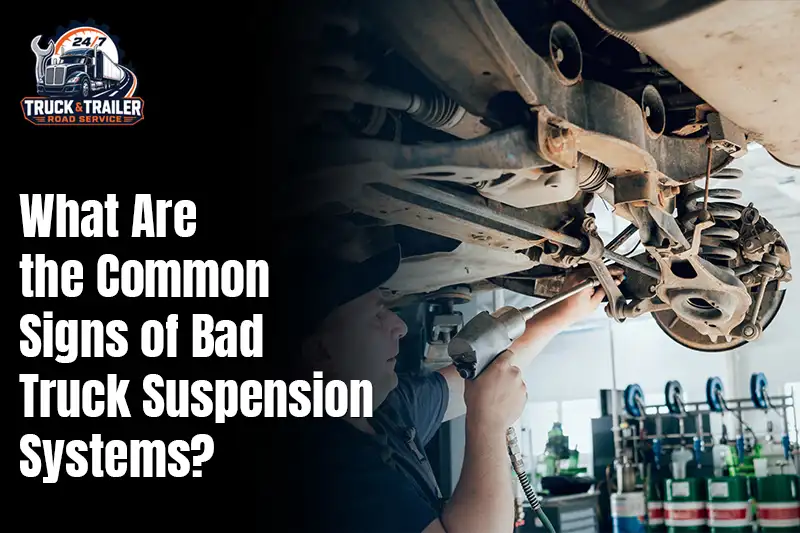
A truck that bounces long after a bump, drifts to one side, chews through tires unevenly, or feels unsteady in turns and under braking is telling you something. Many drivers ask what are signs of bad truck suspension only after the symptoms become hard to ignore. Suspension issues affect handling, comfort, tire wear, load stability, and overall driving safety, especially on a loaded commercial vehicle.
Those symptoms can come from several components, including shocks, springs, bushings, mounts, and other suspension parts. No single symptom proves one specific failure, so the goal is to recognize patterns and get the right inspection. This guide covers the key warning signs, the inspection process, common causes, repair considerations, and the maintenance habits that keep a truck suspension working properly.
How Bad Truck Suspension Changes Your Daily Driving
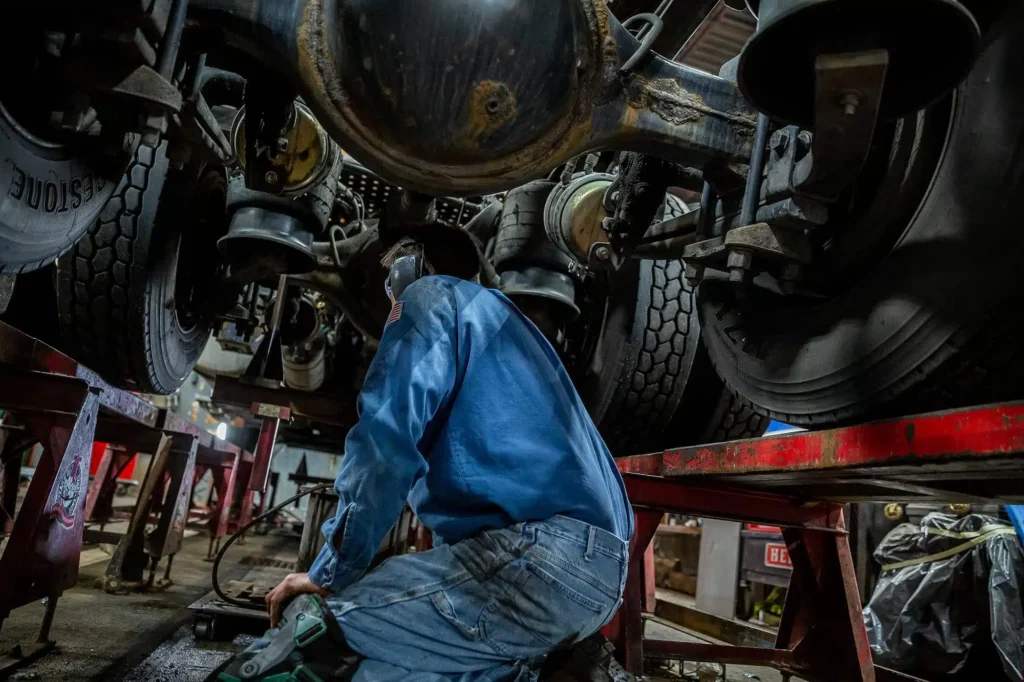
A healthy suspension system keeps the tires in contact with the road, controls body movement over bumps, and supports the load the truck carries. When it starts to wear, the changes usually show up gradually in ordinary driving. Ride quality may feel rougher, the steering may feel looser, and the truck may take longer to settle after braking or hitting an uneven patch. Because the changes are slow, drivers often adapt without realizing how much the truck has changed.
Paying attention to those small differences is part of good truck maintenance. A single odd sensation does not confirm a failure, but a combination of changes is a good reason to schedule an inspection. Drivers who know how their truck normally feels are the best early detectors of suspension trouble.
Common changes include more bouncing over bumps, a harsher or floatier ride, steering that wanders or pulls, extra body roll in turns, front-end dive when braking, and new noises from the corners of the truck.
Which Suspension Symptoms Deserve Immediate Attention
Some suspension symptoms are routine wear indicators, while others can affect vehicle control. Knowing the difference helps you decide when to keep an eye on something and when to book an inspection. Learning to recognize common truck diagnostic signs is a good starting point, and the stages below cover the bad suspension symptoms and suspension system failure signs worth acting on.
Notice Changes in Steering and Vehicle Tracking
Pulling to one side, wandering within the lane, delayed steering response, or unusual directional behavior can point to suspension trouble. Steering components and alignment can cause similar symptoms, so these signs call for inspecting the suspension and the related steering parts together. A truck that no longer tracks straight on a flat road deserves a closer look.
Pay Attention to Excessive Bouncing After Road Impacts
A truck should settle quickly after a bump. Repeated bouncing or poor body control suggests worn shock absorbers or another suspension concern. Heavy trucks can bounce more than light vehicles, but a change from the way your truck used to behave is the signal that matters.
Check for Uneven or Abnormal Tire Wear
Unusual tread wear can reveal problems with alignment, worn components, or load distribution. Edge wear, cupping, or patchy wear on one tire are all worth investigating before simply replacing the tire. Replacing tires without finding the cause often leads to the same wear on the new set.
Listen for New Clunks, Knocks, or Squeaks
Noises over bumps, in turns, or during braking and acceleration help narrow down where to look. A clunk may suggest a loose mount or worn bushing, while a squeak may point to dry or deteriorated rubber. Note when the noise happens, since the timing guides the inspection.
Look for Leaning, Sagging, or Uneven Ride Height
A truck sitting lower on one side, or showing ride-height differences from one corner to another, can indicate spring problems or other suspension damage. Check this on level ground, with a similar load each time. Uneven height is easy to see once you compare both sides.
Watch for Excessive Movement During Braking
Heavy front-end dive, instability, or a long settling time during braking may call for inspecting the suspension and related systems. The suspension affects how weight shifts under braking, so worn parts can make a stop feel less controlled. Do not assume the brakes alone are responsible.
Treat Visible Damage as an Inspection Priority
Cracked, bent, broken, leaking, loose, or visibly damaged suspension components should be evaluated rather than monitored indefinitely. A broken leaf spring or a leaking shock will not repair itself. Visible damage is one of the clearest reasons to stop and get a professional opinion.
What Causes Common Truck Suspension Problems?
Suspension parts wear for understandable reasons, and the causes often depend on how and where a truck works. Understanding them helps explain why symptoms appear and how to slow them down. These causes affect truck suspension problems, heavy duty truck suspension issues, and the wear of suspension components across fleets of every size.
Heavy Loads Can Accelerate Suspension Component Wear
Frequent hauling, uneven load distribution, and operating near the vehicle’s limits place extra stress on springs, shocks, and mounts. Over time that stress shortens component life. A truck that regularly carries its maximum load will usually need suspension attention sooner than one that runs light.
Rough Roads Increase Stress on Suspension Parts
Potholes, broken pavement, construction zones, and uneven surfaces send repeated impacts through the suspension. Trucks that work on rough routes often show wear in bushings, shocks, and mounting hardware earlier. Slowing down over known rough sections can reduce some of that stress.
Age and Normal Wear Gradually Reduce Component Performance
Bushings, shocks, springs, and mounts deteriorate with time and use, even on a well-run truck. Rubber hardens and cracks, shocks lose damping, and metal fatigues. This gradual decline is why regular inspections matter even when nothing seems wrong.
Improper Repairs or Loading Can Create New Problems
Incorrect installation, mismatched components, unsuitable replacement parts, and poor load distribution can all create new suspension issues. A repair done with the wrong part may fail early or change how the truck handles. Parts and loading practices should match the truck’s specifications.
How To Inspect a Truck Suspension System Properly
A basic walk-around can catch obvious problems, but a complete inspection looks at the whole system. Technicians examine major components, supporting hardware, and the surrounding areas together. A thorough truck suspension inspection can be built into scheduled service, and a regular DOT BIT inspection is a natural time to have suspension condition checked as part of the same visit. The stages below describe what a good inspection covers, including worn suspension parts and the need for suspension repair.
Examine Shocks, Springs, and Mounting Points
Look for visible damage, fluid leakage on shocks, broken or shifted springs, and loose mounts. These are among the most common obvious findings. Any component that looks cracked, bent, or wet with fluid needs attention.
Check Bushings, Joints, and Connecting Hardware
Deteriorated, cracked, or loose bushings and joints allow excessive movement and affect how the suspension works. Technicians check for play, damaged rubber, and worn fasteners. Small amounts of looseness can add up to noticeable handling changes.
Inspect Tires for Suspension-Related Wear Patterns
Tire condition gives extra evidence about alignment and suspension health. Wear on one edge, scalloped patterns, or differences between axles can suggest where the problem lies. Tire inspection works best alongside, not instead of, a component check.
Compare Ride Height and Overall Component Condition
Technicians compare both sides of the truck and check whether the suspension sits and moves as designed. A difference in height or travel from side to side often shows a weak spring or damaged part. Comparing sides makes small problems easier to see.
How Worn Shocks Affect Truck Ride and Handling
Shock absorbers control how fast the suspension moves after a bump, which keeps the tires planted and the truck stable. When they wear, the truck loses that control. Truck shock absorber problems often show up first as extra bouncing, a floaty ride, or a truck that takes longer to settle after hitting a dip.
Shocks matter for more than comfort. Poor damping can reduce tire contact with the road, lengthen the time the truck needs to stabilize, and make steering and braking feel less precise. Ride quality changes can be gradual, so a driver may only notice after the shocks are well past their best. Leaking fluid, repeated bouncing, vibration, and uneven tire wear are all reasons to have the shocks checked, though other components can cause similar symptoms and should be ruled out during inspection.
How Suspension Problems Can Increase Tire Wear
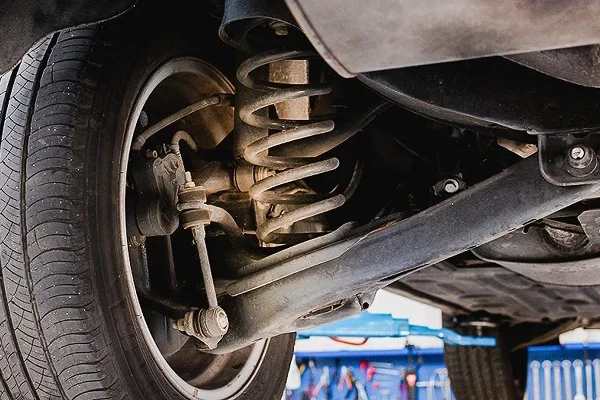
Tires and suspension work as a team. When worn suspension parts let the wheels move out of their intended position or fail to control bouncing, tires wear unevenly and wear out sooner. Worn suspension, alignment conditions, load distribution, and tire condition all interact, so tire wear is one of the most useful clues in truck maintenance.
Before replacing tires that wear oddly, check what is causing it. The cause may be a suspension or alignment problem that will damage new tires too. Common patterns and what they may justify checking include:
- Wear on one edge: May point to alignment problems or worn components that let the wheel tilt.
- Cupped or scalloped tread: Often linked to worn shocks or poor damping.
- Patchy wear on one tire: May suggest a loose component, imbalance, or damage on that corner.
- Feathered tread edges: Can indicate alignment or steering-related issues.
- Different wear between axles: May reflect load distribution or axle-specific suspension wear.
When Truck Suspension Problems Affect Handling
A suspension issue is not simply a comfort problem on a heavy-duty truck. The suspension system helps control steering feel, stability, braking behavior, and overall vehicle control, so deterioration can make the truck harder to manage, especially when loaded or in poor weather. Ride quality changes are often the first sign that handling is about to be affected, and several suspension system failure signs show up together.
Braking is a good example. Worn suspension can allow excessive front-end dive or unsettled movement during a stop, so a thorough brake inspection safety check often goes hand in hand with suspension checks on a heavy duty truck. The main handling changes to watch for are a wandering or loose steering feel, extra body roll in turns, instability in crosswinds or when passing other vehicles, reduced stability under braking, and a truck that feels unsettled at highway speeds. Any of these deserves prompt inspection.
How To Tell Which Suspension Part May Be Worn
Technicians do not guess which part has failed. They connect symptoms, inspection findings, and component condition to narrow down the cause. This prevents the assumption that every suspension problem means replacing shocks. Understanding the process helps you follow what is being done on worn suspension components and why suspension repair sometimes involves more than one part.
Identify Shock Absorber Wear From Movement and Control
Poor damping, excessive bouncing, and reduced body control point technicians toward the shocks. Leaking fluid on the shock body supports that finding. A bounce test and a visual check usually confirm it.
Look for Spring Damage or Loss of Support
Sagging, uneven ride height, and broken or shifted spring parts suggest spring-related concerns. A truck that leans or bottoms out more easily than before may have lost spring support. Comparing both sides of the truck helps confirm it.
Check Bushings and Mounts for Deterioration
Worn or damaged bushings and mounts allow extra movement and noise, and they can change how the suspension behaves. Clunks over bumps and vague steering are common clues. Inspecting the rubber and fasteners often reveals the source.
Evaluate Related Steering and Alignment Components
Some handling and tire symptoms involve steering or alignment systems along with the suspension itself. A full evaluation looks at all of them so that the real cause is found. Fixing only one part may leave the symptom in place.
When Should Truck Suspension Parts Be Replaced?
Replacement decisions should follow condition, safety, manufacturer guidance, and how the part performs. Waiting too long risks safety and further damage, while replacing too early wastes money. The aim is to replace what needs it and to evaluate suspension components as part of the complete system, whether the work is routine suspension repair or commercial truck suspension repair on a worn suspension.
Replace Components Showing Serious Physical Damage
Cracked, broken, bent, or severely corroded components need prompt professional assessment. These parts may fail without warning, so they should not be left in service. Do not continue to operate a truck with structural suspension damage.
Replace Worn Parts That No Longer Perform Properly
A part can be worn out without showing dramatic damage. A shock that no longer controls movement or a bushing that has gone soft can hurt handling even if it looks acceptable. Performance matters as much as appearance.
Match Replacement Parts to the Truck Application
Replacement components should meet the vehicle’s specifications and suit the load and operating conditions. A part meant for lighter duty may wear quickly on a working truck. Follow manufacturer guidance when choosing parts.
Recheck the Entire System After Component Replacement
After suspension work, related components, mounting points, alignment, and ride height may need to be verified. A new part can change how the rest of the system loads and wears. A final check confirms that the repair solved the original symptom.
Suspension Maintenance Practices for Working Trucks
Routine maintenance finds suspension wear before it becomes a bigger problem. For a heavy duty truck, that means regular inspections, tire checks, awareness of loading, and good service records. Suspension maintenance for trucks fits easily into a regular schedule, and it makes sense to check the suspension during routine diesel maintenance visits rather than waiting for symptoms.
Records help too. Notes on past repairs, tire wear, and any changes in ride give technicians a head start and help you spot patterns on a particular truck. A practical checklist for the truck suspension includes:
- Visual inspection of shocks, springs, mounts, and bushings at regular service intervals
- Checking for fluid leaks, cracks, loose hardware, and broken components
- Tire pressure and tread checks, with attention to uneven wear
- Comparing ride height from side to side
- Following load limits and distributing cargo evenly
- Keeping written service records and noting any change in ride or handling
What Happens When Suspension Problems Are Ignored?

Small suspension issues rarely stay small. A worn shock can speed up tire wear, which strains other components, and a damaged mount can allow movement that damages nearby parts. Ride quality usually gets worse over time, and handling and stability can decline until the truck feels unsafe at speed or when loaded.
A worn suspension can also contribute to longer stopping behavior, higher repair costs, and more downtime, since a failure on the road can leave a truck stranded. Because the suspension system works with the tires, steering, and brakes, problems in one area tend to spread to others. A truck that needs an early inspection is far cheaper to fix than one that needs recovery. When braking feels unsettled and the brakes themselves need work, reliable brake repair should be considered together with the suspension check.
Bad Suspension Symptoms Versus Normal Truck Ride Changes
Not every bump or bounce means trouble. A loaded truck rides differently from an empty one, and rough roads make any truck move more. The key is to separate normal truck behavior from changes that point to a problem. The table below compares ordinary ride characteristics with bad suspension symptoms and signs that warrant inspection of truck suspension components, with ride quality in mind.
| Area | Potentially Normal | Warrants Inspection |
| Ride movement | Firmer or bouncier feel when empty or on rough roads | Repeated bouncing after bumps on smooth roads, or a sudden change in how the truck settles |
| Handling | Slight wander in strong crosswinds | Persistent pulling, wandering, or delayed steering response in normal conditions |
| Noises | Occasional rattle from an empty trailer or loose cargo | New clunks, knocks, or squeaks over bumps, in turns, or during braking |
| Tire wear | Even wear that matches mileage and use | Edge wear, cupping, or patchy wear on one or more tires |
| Ride height | Small changes when the load changes | Leaning, sagging, or noticeable differences from one side to the other |
Final Thoughts on Recognizing Bad Truck Suspension
Knowing what are signs of bad truck suspension helps you catch problems while they are still manageable. Handling changes, abnormal tire wear, excessive movement, unusual noises, and visible component damage should not be ignored. Each one is a clue, and together they show whether the truck suspension needs attention.
Proper diagnosis looks at the complete suspension system rather than replacing one part because of a single symptom. A good technician connects the symptoms with inspection findings, checks related steering and alignment parts, and recommends suspension repair only where it is needed. Consistent truck maintenance, including regular inspections and attention to loading, keeps small wear from turning into large repairs.
If you notice any warning signs, do not wait for the next breakdown. Truck owners and fleet operators should arrange a professional suspension inspection as soon as symptoms appear. For dependable heavy-duty truck support, 24/7 Truck & Trailer Road Service is ready to assist whenever you need roadside help.
FAQs About Bad Truck Suspension Signs and Repairs
A truck suspension problem can affect more than ride comfort, especially when the vehicle carries heavy loads or travels long distances. These answers address practical concerns about symptoms, inspections, worn components, and suspension repairs. Each one focuses on knowing when professional inspection is appropriate.
Worn shocks often show up as repeated bouncing after bumps, a floaty ride, and cupped tire wear. Leaking fluid on the shock body supports that diagnosis. Because springs and mounts can cause similar symptoms, a technician should confirm the cause before parts are replaced.
Visible damage such as a broken spring, a sudden change in ride height, severe pulling, loud clunking, or a truck that feels unstable under braking or in turns should be inspected right away. Do not continue regular operation until the cause is known.
Yes. A damaged spring, worn bushing, or broken mount can change wheel position and cause pulling. Steering and alignment problems can cause the same symptom, so the inspection should cover all of them.
There is no single interval for every truck. Follow the manufacturer’s schedule and inspect more often when the truck hauls heavy loads or runs on rough roads. Check sooner if you notice new noises, uneven tire wear, or changes in handling.
Yes. Worn parts can let the wheels move out of position, which changes alignment and causes uneven tire wear. Fixing the suspension and checking alignment together helps protect new tires.