
Brake problems rarely appear overnight. Pads wear thin, fluid absorbs moisture, and small leaks develop over months, so stopping performance can slip gradually without the driver noticing. Regular brake inspection and service catches these changes early, when correcting them is simple and inexpensive, and before they turn into a safety risk on the road.
A proper inspection looks beyond the brake pads. It considers the rotors, calipers, fluid, lines, and overall braking performance as one system. This guide covers what an inspection includes, how often it should happen, which warning signs matter, how to read service recommendations, and how regular checks make driving safer.
How Brake Inspections Help Prevent Safety Problems
Routine inspections connect directly to safer driving because they find problems before obvious failure or severe symptoms appear. A technician can spot wear, leaks, uneven braking, and failing components while the car still stops normally. A regular brake system inspection and brake safety inspection protect stopping performance and often reduce the size of later repairs.

Catching Brake Wear Before It Affects Stopping
Pads, rotors, and other friction components wear a little with every stop. An inspection measures that wear before it changes how the car brakes, which keeps stopping distances predictable. Replacing pads on time also protects the rotors, which cost more to replace.
Finding Hidden Problems Beyond Brake Pads
A car can have serious brake problems even when the pads are fine. Old fluid, a leaking line, or a sticking caliper can all reduce braking power without any obvious noise. A proper inspection checks fluid, lines, calipers, and rotors together so these issues are not missed.
What Happens During a Complete Brake Inspection
A thorough car brake inspection follows a set order and covers both component condition and performance. Knowing the steps helps you tell a complete brake check service from a quick visual look. Each stage below is part of a professional brake inspection and a complete brake system inspection.
Reviewing Brake Pads and Their Wear Condition
The technician measures pad thickness and looks for uneven wear, contamination, and damage. Uneven wear often points to a related problem, such as a sticking caliper, so pad condition is judged alongside the parts around it.
Examining Rotors, Drums, and Caliper Condition
Rotors and drums are checked for scoring, grooves, cracks, heat damage, uneven wear, and corrosion. Calipers are checked for sticking or leaking. These parts affect how consistently the brakes grip, so their condition has a direct effect on stopping performance.
Checking Brake Fluid and Hydraulic Components
Brake fluid condition and level, hoses, lines, and hydraulic operation are all inspected. A leak or degraded fluid can cause a soft or inconsistent pedal, and these problems are often invisible from the driver’s seat.
Evaluating Brake Performance and Pedal Feel
Pedal firmness, braking response, vibration, pulling, and unusual noises are evaluated. These observations complement the physical inspection and can reveal problems that measurements alone do not.
Checking Warning Lights and Related Safety Signals
Brake and ABS warning lights are reviewed, along with brake lights and other visible safety signals. On newer vehicles, truck computer diagnostics can read stored fault codes that show whether a sensor or control module is involved, which a visual check cannot reveal.
Recording Findings and Explaining Needed Service
Significant findings should be documented and explained clearly. A good technician separates an immediate safety concern from routine future maintenance, so you know what to fix now and what can be scheduled.
Verifying the System After Inspection or Service
After any maintenance or repair, brake operation should be confirmed with checks of pedal response, braking behavior, and any remaining symptoms. This catches installation errors before the car returns to regular use.
How Brake Warning Signs Should Change Your Plans
Symptoms should move an inspection ahead of your planned schedule. Each common sign points toward a different kind of problem, and none should be ignored. A brake inspection service or brake maintenance service is the right next step when any of these appear, and brake repair and service may follow depending on the findings.
Responding to Squealing, Grinding, or Scraping Sounds
Persistent noise deserves attention. Squealing often signals worn pads, while grinding can mean the pads are worn through, and metal is contacting the rotor. Not every noise has the same cause, so an inspection is needed for an accurate diagnosis.
Taking Action When the Vehicle Pulls While Braking
Pulling to one side can point to uneven braking, a sticking caliper, or a hose problem. Continuing to ignore it can lead to uneven wear and reduced control, so book an inspection promptly.
Understanding a Soft, Spongy, or Low Pedal
A pedal that feels soft, spongy, or lower than usual can indicate air in the lines, low or degraded fluid, or a failing hydraulic part. Major changes in pedal behavior should be treated seriously and checked right away.
Recognizing Vibration and Longer Stopping Distances
Vibration during braking often suggests uneven or warped rotors, and longer stopping distances suggest the system is not performing as it should. Both call for a professional evaluation.
Knowing When a Brake Warning Light Matters
A brake warning light should not be dismissed. It is one of the more common truck diagnostic signs that drivers see before a larger fault develops. Have the vehicle checked promptly, and stop driving if the light appears together with a soft pedal, weak braking, or a burning smell.
How Often Your Vehicle Should Get Brake Service
No single mileage interval fits every vehicle. Routine brake inspection timing depends on driving habits, vehicle type, load, traffic, terrain, and manufacturer guidance. The owner’s manual is the starting point for vehicle brake maintenance, and a regular brake maintenance service schedule should be built around it. Symptoms should always override the calendar, so a new noise, pulling, or pedal change means an inspection now, not at the next planned visit.
Frequency also rises with demanding use. Stop-and-go traffic, hilly roads, heavy loads, towing, and short trips that never let the brakes fully warm up all change how quickly components wear and how often they should be checked.

What Brake Inspection Can Reveal Before Repair
Inspection findings connect directly to service decisions. A brake pad inspection may show pads near the end of their life, while measurements of the rotors may show whether they can be resurfaced or need replacement. Fluid tests can point to a fluid exchange, and signs of a leaking or sticking caliper can lead to caliper repair or further diagnosis. Understanding this link makes it easier to evaluate brake repair and service recommendations from an automotive brake inspection.
Common findings include worn or uneven pads, scored or warped rotors, degraded or contaminated fluid, leaking hoses or lines, sticking calipers, and hardware that is corroded or loose. Not every finding needs immediate work. A good technician tells you which are urgent and which can be monitored.
How Brake Inspection Differs From Full Brake Service
An inspection evaluates condition, while service and repair act on what the inspection finds. An inspection may lead to maintenance or repair recommendations, but it is not automatically the same as performing them. Understanding the difference helps you compare quotes, including affordable brake service offers, and know whether you are paying for an evaluation, upkeep, or actual repair. Brake inspection and service often go together, and full brake service combines them. The table below shows how they compare.
| Service | Main Purpose | Typical Focus | Likely Outcome |
| Brake Inspection | Identify condition and problems | Pads, rotors, fluid, hardware, performance | Findings and recommendations |
| Brake Maintenance | Keep components functioning properly | Cleaning, fluid-related maintenance, adjustments where applicable | Preventive upkeep |
| Brake Repair | Correct an identified problem | Damaged or worn components | Restored function |
| Full Brake Service | Address multiple inspection findings | Inspection plus required maintenance or repairs | Comprehensive brake-system care |
Why Brake Inspections Matter Before Long Road Trips
Long trips put extra demand on the brakes through sustained highway speeds, mountain descents, heavy luggage, and towing. A brake performance inspection before departure reduces the chance of an avoidable roadside problem, and a brake safety inspection is a sensible part of any trip plan. Brake inspection for cars is especially worthwhile if the vehicle is close to a service interval or has shown any symptoms recently.
A simple pre-trip approach covers a few items. Check pad thickness and rotor condition, confirm the fluid level and condition, and note any noise, vibration, pulling, or pedal change. Make sure no brake or ABS warning lights are on, and have any concerns looked at early enough to complete repairs before you leave.
How Driving Conditions Affect Brake Inspection Needs
Two vehicles with the same mileage can need very different levels of brake attention. Brake wear depends on how a vehicle is driven, not just how far. Regular brake maintenance near me searches often come from drivers who notice faster wear than expected, and the cause is usually the conditions. Vehicle brake maintenance and routine brake inspection should reflect actual use.
High-wear conditions include stop-and-go city traffic, steep hills and long descents, heavy loads, towing, and frequent short trips. Heavier vehicles feel this most, and the same principles appear in guidance on truck brake replacement, where load and heat make timely service even more important. If your driving falls into these categories, schedule inspections more often than the general schedule suggests.
What Makes a Professional Brake Inspection Reliable
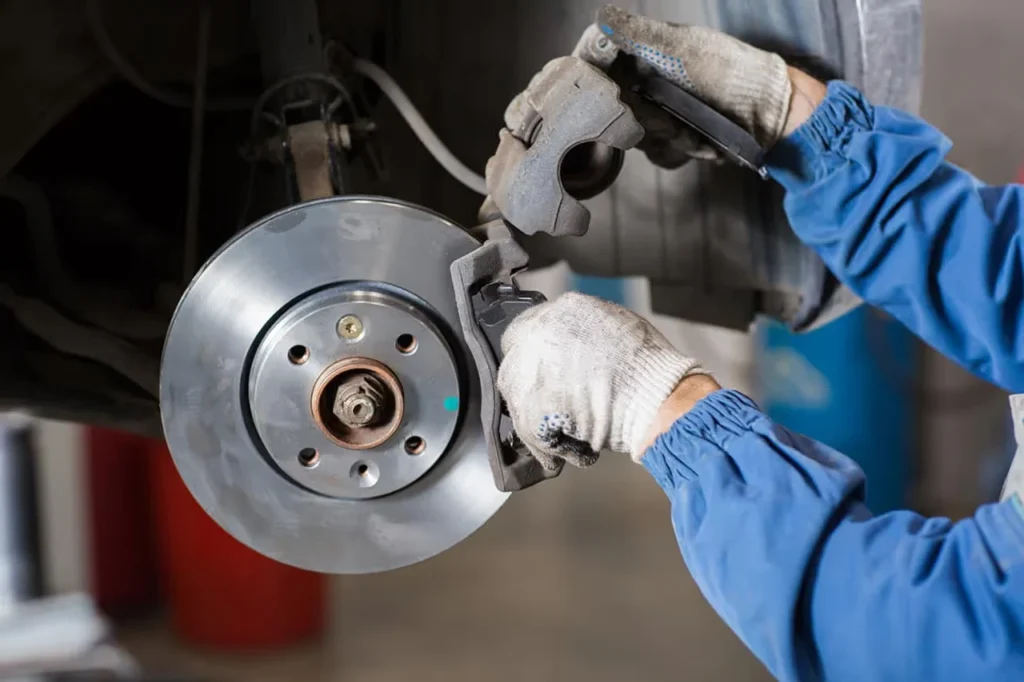
A reliable professional brake inspection is thorough, documented, and clearly explained. It checks pads, rotors, calipers, fluid, lines, and performance, and it produces specific findings instead of a vague recommendation. Qualified technicians, appropriate equipment, and written documentation all signal quality. Communication matters as well, and a good provider explains what is urgent, what can wait, and why.
When comparing a brake inspection service, look at the depth of the check, the experience of the technicians, the tools used, and whether findings are recorded. Drivers searching for brake service near me in the Los Angeles area should confirm local coverage and availability. Avoid choosing only on convenience or the lowest price, since a shallow check can miss the very problem you are trying to catch.
How to Prepare for Your Brake Inspection Appointment
Good preparation makes the appointment faster and the diagnosis more accurate. Before a brake check service or automotive brake inspection, gather the following:
- Sounds: Note when noises occur and whether they are squeals, grinding, or clicks.
- Pedal changes: Mention any softness, sinking, or firmness changes.
- Warning lights: Record which lights appeared and whether they stay on.
- Recent repairs: List brake work done and who performed it.
- Driving conditions: Describe towing, heavy loads, hills, or city traffic.
- Questions to ask: Ask what will be inspected, how findings are reported, and how brake repair and service recommendations are explained.
How Brake Service Can Support Long-Term Vehicle Safety
Inspection works best as an ongoing habit, not a one-time event. Regular checks, timely repairs, fluid maintenance, and component replacement work together to keep stopping performance consistent. Reliable vehicle brake maintenance reduces unexpected problems and often lowers repair costs, because small issues are corrected before they damage related parts.
This preventive mindset is the same one behind engine repair prevention, where regular checks catch small faults early. A consistent brake maintenance service schedule, along with a full brake service when several issues are found, keeps the system predictable. Useful habits include having the brakes checked at every tire rotation or service visit, replacing brake fluid on the manufacturer’s schedule, addressing symptoms as soon as they appear, and keeping records so trends are easy to spot.
Common Brake Inspection Mistakes Drivers Should Avoid
- Delaying when symptoms appear: Waiting for a noise or pedal change to get worse allows small wear to become expensive damage.
- Focusing only on pad thickness: Pads are only one part of the system, and rotors, fluid, lines, and calipers matter too.
- Ignoring brake fluid: Old or contaminated fluid reduces braking performance even when the pads look fine.
- Choosing solely by price: A very low price may mean a quick visual check rather than a professional brake inspection.
- Skipping post-service verification: Without a final check, installation errors or leftover symptoms can go unnoticed.
A regular brake safety inspection helps you avoid all of these, and a provider offering brake inspection and service should be able to explain each step.
Final Thoughts on Safer Brake Inspection and Service
Regular brake inspection and service is not simply about replacing worn parts. It is about maintaining dependable stopping performance through early detection, professional evaluation, timely maintenance, and a prompt response to warning signs. Drivers who inspect before problems become serious usually spend less and drive with more confidence.
A professional brake inspection gives you clear findings and a plan you can act on. If your vehicle is due for service or showing warning signs such as noise, pulling, a soft pedal, or a warning light, schedule a professional brake inspection with 24/7 Truck & Trailer Road Service so your brakes are checked and serviced before a small issue becomes a safety risk.
FAQs About Brake Inspection and Service
Drivers often have a few questions left after learning how brake inspections work. The answers below cover the process, timing, cost, and when to seek service. They apply to any brake inspection service, car brake inspection, brake check service, or full brake service.
A complete inspection covers pad thickness, rotors or drums, calipers, brake fluid and its level, hoses and lines, and pedal feel and braking performance. It should also include warning lights and brake lights, with findings recorded and explained.
Follow the manufacturer’s guidance as a baseline, then adjust for your driving. Heavy loads, towing, hills, and stop-and-go traffic call for more frequent checks, and any new symptom should prompt an inspection right away.
An inspection alone is usually relatively quick, while service time depends on the work needed. Pad replacement generally takes less time than jobs involving rotors, calipers, or hydraulic parts, and parts availability can also affect timing.
Yes. Measuring pad thickness shows how much friction material remains, so pads nearing the end of their life can be replaced before they damage the rotors or reduce braking performance.
Yes. Long trips, heavy loads, and mountain driving place extra demand on the brakes, and a pre-trip inspection helps you find and fix problems before you are far from home.